HPV-related cancers
Vaccination prevents new HPV infections and reduces cervical precancers and cancers. It also targets HPV types that cause many anal and oropharyngeal cancers, plus some vulval, vaginal and penile cancers.
NCI evidence summaryIndependent evidence guide · Updated 17 September 2026
Vaccines already prevent some cancers. A new generation aims to teach the immune system to recognise an existing tumour, clear microscopic disease and reduce the chance of recurrence. Most therapeutic approaches remain experimental.
A vaccine presents an antigen, or instructions for making one, so the person’s own immune system learns to recognise a target. Preventive vaccines are given before disease develops. Therapeutic vaccines are given after diagnosis to direct immunity against an existing cancer or microscopic cells left after treatment. They differ from passive antibody drugs, which supply a manufactured immune molecule rather than teaching the body to make its own response.
Why this field is moving now
Rapid tumour sequencing can reveal each cancer’s distinctive mutations. Better prediction tools can select targets, mRNA and other platforms can deliver them, and checkpoint inhibitors may help newly trained T cells stay active.
That convergence has created wide public and scientific interest. It has also created hype. The important question is no longer only whether a vaccine produces an immune response, but whether controlled trials show that people live longer or remain cancer-free for longer.
Seeing cancer
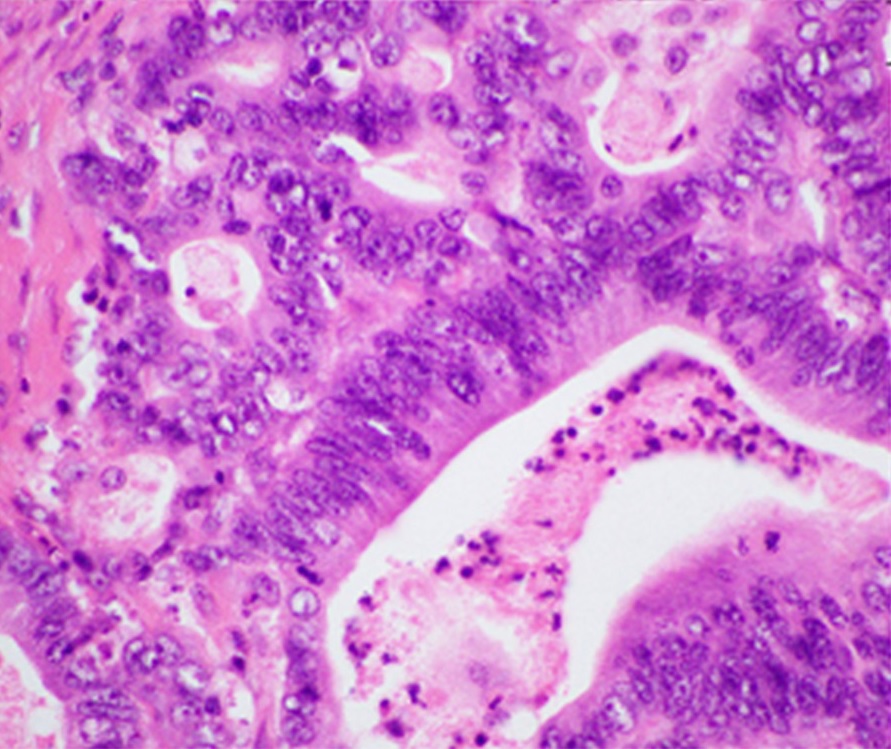
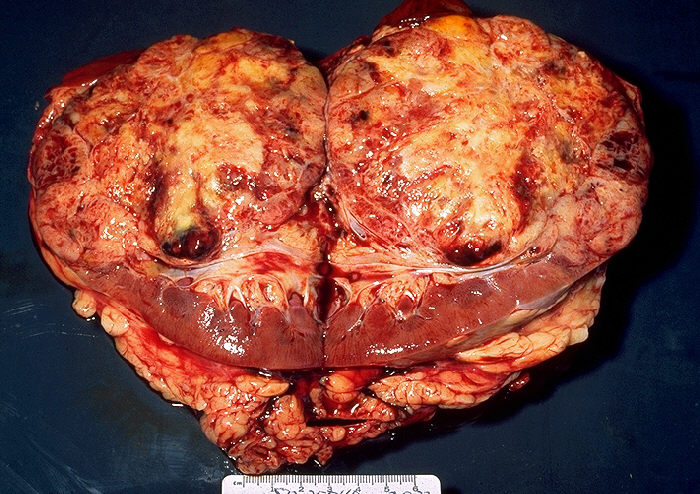
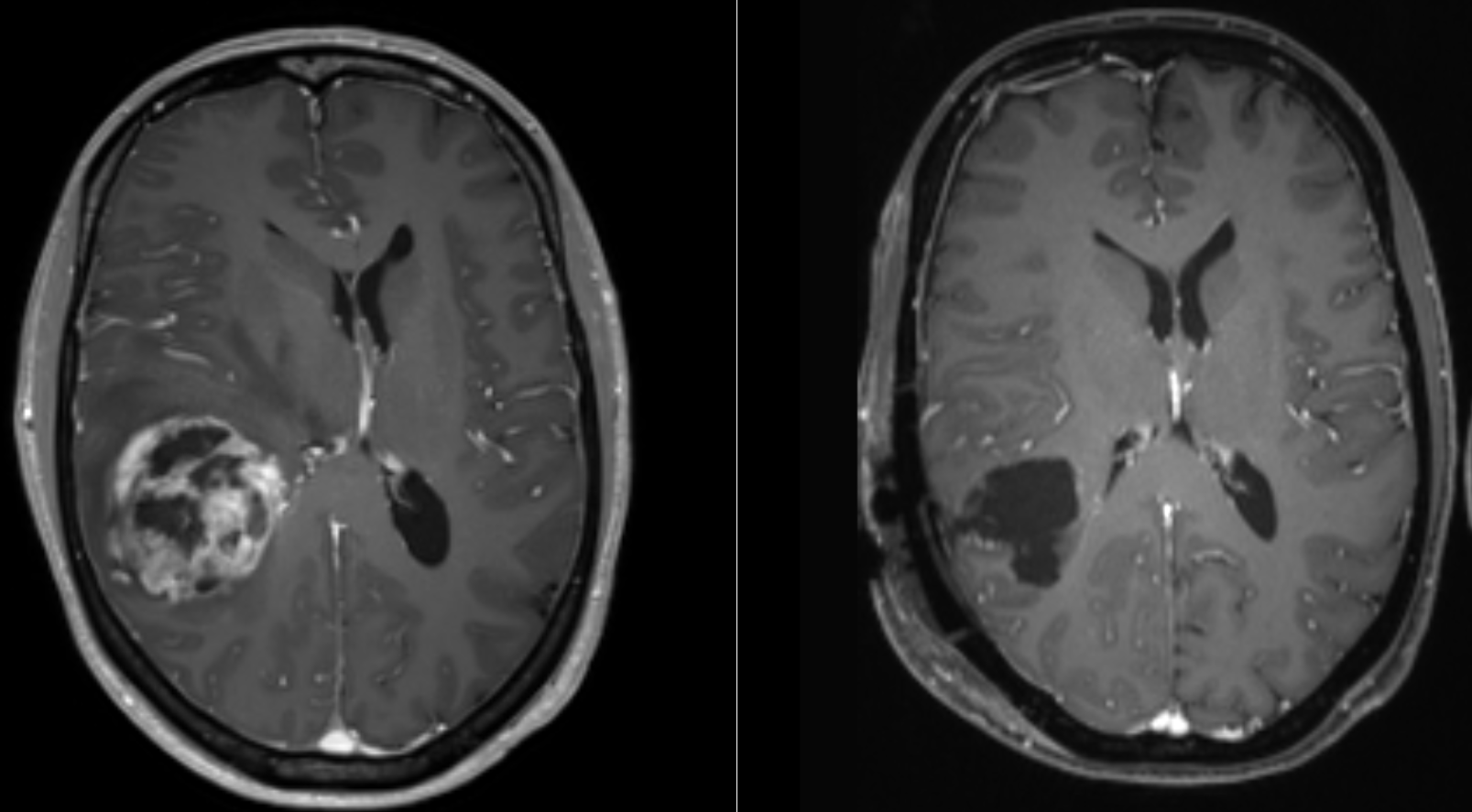
Clinical images help explain the disease, but do not by themselves prove that a vaccine works. Images are de-identified and openly licensed.


Matched vaccine-era scans do exist, including a published melanoma case in which measurable lesions regressed after a tumour-mRNA dendritic-cell vaccine. A single response does not establish average benefit. See the peer-reviewed before/after CT figure ↗
Evidence explorer
Filter by maturity. Every entry separates prevention, approved treatment and research-stage approaches.
Vaccination prevents new HPV infections and reduces cervical precancers and cancers. It also targets HPV types that cause many anal and oropharyngeal cancers, plus some vulval, vaginal and penile cancers.
NCI evidence summarySipuleucel-T is a personalised cellular immunotherapy approved for some people with metastatic castration-resistant prostate cancer.
NCI drug informationT-VEC is an oncolytic virus therapy injected into certain melanoma lesions. It is distinct from personalised neoantigen mRNA vaccines.
NCI treatment guideV940 plus pembrolizumab produced a clinically meaningful recurrence-free survival signal versus pembrolizumab alone. A phase 3 trial is ongoing.
Read the Lancet studyIn 16 vaccinated patients, half developed strong vaccine-induced T-cell responses; responders had longer recurrence-free survival. This was a small, non-randomised human study.
Nature follow-upAn experimental vaccine generated immune responses in most of a 20-person high-risk study. The trial was too small and short to show cancer prevention.
Johns Hopkins reportPersonalised and shared-antigen vaccines are being tested alone and with checkpoint inhibitors. Results vary by platform and disease.
Mayo Clinic overviewA small study in high-risk resected clear-cell renal cancer showed vaccine-induced antitumour immune responses. Larger controlled trials are needed.
Nature phase 1 paperAn individualised mRNA study showed feasibility and durable vaccine-specific T-cell responses in 14 evaluable patients; it was non-comparative.
Nature early-phase paperSome promising breast, brain and other tumour vaccine reports remain laboratory or animal work. These findings support trials but cannot predict patient benefit.
Example: Mayo preclinical researchNo entries match this filter.
How to know it works
Each step is useful, but only the upper steps establish meaningful benefit for patients or populations.
The platform delivers its antigen and activates the intended immune pathway.
Antigen-specific T cells or antibodies appear and persist.
ctDNA falls, a tumour shrinks or a metabolic scan improves.
Compared with current care, fewer people recur, metastasise or progress.
People live longer or better, with acceptable toxicity, burden and cost.
The most persuasive design is a sufficiently large randomised controlled trial against the appropriate standard of care. Important endpoints include recurrence-free, metastasis-free and overall survival, quality of life, serious toxicity and treatment discontinuation.
Trials should show fewer persistent infections, precancers or invasive cancers in the intended population. Cancer-incidence and mortality outcomes can require many years of follow-up.
Sensitivity and specificity are only the beginning. A screening programme should reduce late-stage disease or mortality and report false positives, interval cancers, invasive follow-up, overdiagnosis, anxiety, cost and unequal access.
Before-and-after images are memorable but weak evidence on their own. Tumours can fluctuate, scans can be selected, and combination treatment obscures causation. A complete series, predefined response criteria and a comparison group are much harder to misread.
The threshold should match the stakes
If a vaccine has a well-established low rate of serious harm and substantially prevents a lethal cancer, recurrence or metastasis, even a modest individual benefit may become valuable across a large population. HPV and hepatitis B vaccination already demonstrate this prevention principle.
But safety and plausibility cannot replace proof of benefit. Decisions should consider the absolute risk reduction, duration of protection, number of people who must be vaccinated to prevent one important outcome, rare adverse effects, false reassurance, cost and whether the same resources could prevent more illness elsewhere.
Why certainty can take decades
PSA testing clearly finds more prostate cancers. The harder question is whether screening prevents enough deaths to outweigh false positives, biopsies, overdiagnosis and treatment of cancers that would never have caused harm.
After a median 23 years, the large European randomised trial reported 13% lower prostate-cancer mortality with screening, but an absolute reduction of only 0.22%. About 456 men had to be invited to screening to avert one prostate-cancer death, while substantially more cancers were diagnosed in the screening group.
Modern care is more selective than the old “raised PSA, then biopsy and treatment” pathway. Shared decision-making considers age, health, family history and inherited risk; an unexpected elevation can be repeated after temporary causes settle; biomarkers, risk calculators and PSA density may refine risk; multiparametric MRI can help decide who needs biopsy and where to target it. Ultrasound commonly guides a biopsy but cannot diagnose prostate cancer by itself. PSA velocity can add context, but current AUA guidance says it should not be the sole reason for imaging, biomarkers or biopsy.
When biopsy finds suitable low-risk localised cancer, active surveillance uses planned PSA testing, examinations, imaging and sometimes repeat biopsy, with curative treatment if risk changes. Watchful waiting is different: it is generally symptom-led observation, with treatment aimed at comfort rather than cure. These improvements reduce unnecessary treatment, but they do not eliminate false positives, missed significant cancers or overdiagnosis.
Most mature personalised-vaccine signal
In the randomised phase 2b KEYNOTE-942 study, 157 people with resected high-risk melanoma received pembrolizumab with or without the personalised mRNA vaccine V940. At 18 months, recurrence-free survival was estimated at 79% with the combination and 62% with pembrolizumab alone.
The result is encouraging, but V940 remains investigational. The study was relatively small and the recurrence/death result narrowly missed its prespecified statistical threshold. Phase 3 testing is designed to answer the question more definitively.
Human evidence, early days
Memorial Sloan Kettering and collaborators tested an individualised mRNA neoantigen vaccine after surgery for pancreatic ductal adenocarcinoma. Eight of 16 vaccinated participants generated strong T-cell responses, and longer follow-up linked response with delayed recurrence.
That association is compelling, not conclusive: the trial was small, non-randomised and designed mainly to assess feasibility and immune response. A randomised phase 2 study is now comparing the vaccine combination with standard chemotherapy.
From tumour to T cell
The goal is immune recognition, not rewriting a patient’s DNA.
A tumour and normal sample are compared to identify mutations found only in the cancer.
Algorithms predict which abnormal protein fragments are most likely to be seen by that person’s immune system.
Selected instructions may be packaged as mRNA, peptides or other platforms. mRNA is temporary and does not enter or alter the cell nucleus.
Immune cells learn the targets. Checkpoint inhibitors or other treatments may help the response reach and attack residual cancer.
Tumour genetic information helps identify targets. Current mRNA cancer vaccines deliver short-lived instructions to make target proteins; they are not gene-editing treatments and do not modify inherited DNA.
Precision oncology
“Genetic testing” and “tumour markers” are often used as if they mean the same thing. They do not.
Changes acquired by the cancer. DNA and RNA from tumour tissue are compared with normal cells. These somatic mutations can reveal neoantigens for a personalised vaccine and biomarkers for targeted therapy or checkpoint immunotherapy.
Often central to vaccine designHow a person presents antigens to T cells. HLA molecules determine which tumour fragments can be displayed effectively. Many vaccine algorithms incorporate HLA type when ranking neoantigens.
Often central to target selectionInherited variants present throughout the body. BRCA1/2, Lynch-syndrome genes and others can affect lifetime risk, screening, family counselling and sometimes treatment. They are different from mutations found only in the tumour.
Important for risk and some treatmentsProteins or molecular signals. PSA, CA-125, CA19-9, CEA, receptor proteins and others may help classify or monitor disease. Most are not specific enough to diagnose cancer alone and are not automatically vaccine targets.
Usually classification or monitoringTumour-derived DNA fragments in blood. Investigators are studying ctDNA to detect microscopic residual disease, select higher-risk patients and monitor recurrence. Clinical usefulness differs by cancer and setting.
Emerging selection and monitoring toolAge, general health, cancer stage, previous treatment and organ function affect whether treatment or a trial is appropriate. Family history and inherited variants affect prevention and screening. Tobacco, alcohol, ultraviolet exposure, infections, obesity and other exposures affect cancer risk and sometimes tumour biology. None of these factors alone predicts that a therapeutic vaccine will work.
A cancer vaccine success already in use
Persistent infection with high-risk human papillomavirus causes virtually all cervical cancers and contributes to cancers of the anus, penis, vulva, vagina and oropharynx. The mouth and throat terminology matters: the strongest established HPV link is with oropharyngeal cancer, particularly the tonsils and base of tongue, not every cancer described as “oral”.
The HPV vaccine has been used for many years. It prevents new infection; it does not clear an existing HPV infection or treat an established cervical or throat cancer. It works best before exposure, which is why routine vaccination is offered in early adolescence. Some adults may benefit after individual discussion, depending on age and risk of future infection.
Prevention before a tumour exists
Usually not a person-specific tumour neoantigen. Preventive research must identify a target that exists before invasive cancer or appears predictably during its earliest development.
HPV and hepatitis B vaccines prevent infections that can later cause cancer. The immune target comes from the virus, so no tumour sample is needed.
Some high-risk groups develop recurring alterations such as KRAS mutations. Experimental vaccines can target shared abnormal proteins before invasive cancer is diagnosed.
A precancer, inherited syndrome or molecular signal may identify people at unusually high risk. Trials can ask whether vaccination prevents progression, but this requires long follow-up and careful controls.
Inherited genes, family history, age and exposures could define who should be studied or screened. They do not currently provide enough information to manufacture a unique preventive vaccine for most people.
A 2026 phase 1 Johns Hopkins study tested an experimental KRAS-targeted vaccine in 20 people at high risk; 18 developed an immune response. The study was too small and short to show that cancer was prevented. That is a promising biological signal, not a preventive treatment recommendation.
Johns Hopkins study summary ↗Blood signals from cancer
A liquid biopsy looks for tumour-related material in blood or another body fluid: circulating tumour DNA, methylation patterns, RNA, proteins or tumour cells. The phrase covers several different tests with very different evidence.
When cancer is already diagnosed, an approved blood genomic test may identify mutations that match a targeted drug. It can sometimes substitute for, or complement, tissue when obtaining another biopsy is difficult.
After apparently curative treatment, tumour-informed ctDNA may reveal microscopic disease before it appears on imaging. A positive result can predict higher recurrence risk, but whether acting earlier improves survival depends on the cancer and intervention.
Multi-cancer early-detection tests aim to identify cancers before symptoms, including cancers without routine screening. Some can be ordered now, but availability is not proof that population screening saves lives.
A genuine shift from stage 3 or 4 diagnosis toward stage 1 or 2 could make more cancers surgically curable or treatable. It might also identify a tiny residual tumour burden at the time when a therapeutic vaccine has the best chance of controlling it.
A positive blood signal is not a cancer diagnosis. Follow-up may involve repeated blood tests, CT, MRI, PET, endoscopy or biopsy, with anxiety, expense, radiation and procedural risk. Overdiagnosis can find slow disease that would never have caused harm; false negatives can offer false reassurance.
The American Cancer Society reports that multi-cancer detection tests are not yet FDA-approved, although some are available as laboratory-developed tests. More than half of positive results in research to date have not led to a cancer diagnosis after investigation. They should not replace established breast, cervical, colorectal, lung or prostate screening.
Earlier is valuable only if the pathway improves outcomes
Finding a smaller tumour can expand treatment options, but a test earns a place in screening only when the complete pathway produces more benefit than harm in the population being tested.
FIT or other stool testing can lead to colonoscopy, while endoscopy can detect cancer and remove some precancerous polyps. Screening reduces colorectal-cancer mortality; completing colonoscopy after a positive FIT is essential.
NCI colorectal screeningMammography is the principal population screening test. Ultrasound, MRI, needle biopsy or excision are used selectively to clarify findings or in higher-risk settings. Screening and better treatment have improved outcomes, but false positives, overdiagnosis and interval or advanced cancers remain.
NCI breast screening evidenceEarly disease often causes no clear symptoms and most people are diagnosed after curative surgery is no longer possible. There is no recommended population screening test for average-risk adults; specialised surveillance may be considered for selected people with strong inherited or family risk.
Jaundice is an urgent diagnostic signal. Yellow skin or eyes, dark urine, pale stools, itching, weight loss or upper abdominal/back pain require prompt assessment. A pancreatic-head tumour may obstruct the bile duct, but jaundice can have many other causes and is not a screening test.
NCI pancreatic symptoms and treatmentNo routine population screening pathway has been shown to reduce deaths from either cancer. In average-risk women, CA-125 plus transvaginal ultrasound did not reduce ovarian-cancer mortality and caused false-positive operations. New blood, imaging and molecular approaches must prove outcome benefit, not only earlier detection.
NCI ovarian screening evidenceThe cascade is part of the test
CA-125 is the better-known ovarian marker. It can rise with ovarian cancer, but also with endometriosis, liver disease, heart failure, pregnancy and other benign or malignant conditions. Some ovarian cancers do not raise it. CEA is also nonspecific; it may be considered when a mucinous ovarian mass or a gastrointestinal origin is suspected, rather than as a general ovarian screening test.
An abnormal marker may prompt repeat blood tests, transvaginal ultrasound, MRI or CT and specialist review. If uncertainty remains, laparoscopy or open surgery may follow. These procedures can cause infection, bleeding, anaesthetic or cardiovascular complications and injury to bowel or other organs; delayed recognition of perforation and sepsis can be fatal.
In large trials of average-risk women, CA-125 and transvaginal ultrasound found abnormalities and led to surgery but did not reduce ovarian-cancer deaths. Some women underwent operations in which no cancer was found, and a proportion experienced major complications.
Not one technology
“Cancer vaccine” describes a strategy, not a single ingredient or risk profile.
Temporary instructions encode selected tumour antigens. Fast to redesign and able to carry many targets; personalised manufacturing and delivery remain challenges.
Selected antigen fragments are injected with an immune stimulant. Manufacturing is relatively direct, but responses can be weaker or HLA-dependent.
A patient’s antigen-presenting cells are collected, loaded or activated outside the body, then reinfused. Sipuleucel-T is the established example.
Engineered, usually non-replicating carriers deliver antigen instructions. Pre-existing immunity and repeat dosing can affect performance.
Plasmid DNA encodes tumour antigens and is taken up by cells. Stability is attractive, though efficient delivery and immunogenicity can be difficult.
Many tumour antigens are presented together rather than selected one by one. Breadth is possible, but potency and standardisation remain obstacles.
Claims, risks and choices
Informed consent requires room for questions, known uncertainty and the freedom to decline. It also requires distinguishing evidence from repetition.
It does not. Vaccine mRNA works in the cell cytoplasm, does not need to enter the nucleus where DNA is stored, and is broken down. Sequencing a tumour to design a target is not gene editing.
Timing alone cannot establish causation. Trials compare event rates, and safety surveillance looks for patterns above the expected background rate. Real rare adverse effects can be identified this way and should be communicated plainly.
It proves that an mRNA platform can be manufactured at scale and monitored in very large populations. A personalised cancer vaccine may use different RNA, dose, delivery, schedule and combination drugs, so its benefits and risks must be tested separately.
For infectious disease, immunity acquired through infection carries the disease’s risks. For cancer, there is no equivalent safe “natural exposure”: the purpose of treatment vaccination is to overcome tumour immune escape.
An immune response in a blood test is not enough. The decisive outcomes are recurrence, metastasis, quality of life, survival and toxicity compared with current care.
Local reactions, fever and fatigue may occur, but cancer studies must also track autoimmune effects, organ toxicity and adverse events from combination immunotherapy. Early trials are too small to identify every rare risk.
Where categories meet
Therapeutic cancer vaccines aim to create or expand immune cells that recognise tumour antigens. That places them inside the larger immunotherapy family alongside checkpoint inhibitors, engineered T-cell therapies, cytokines, antibodies and oncolytic viruses.
The treatments are often complementary. A vaccine can supply the immune system with precise targets; a checkpoint inhibitor such as pembrolizumab can release inhibitory signals that restrain those T cells. Other combinations may alter the tumour environment or increase antigen release.
Combination evidence must be read carefully. If a tumour regresses after vaccine plus checkpoint blockade, the result belongs to the regimen. It does not prove that either component would have produced the same response alone.
Value and access
Established population vaccines are among public health’s most successful and cost-effective interventions. WHO estimates that essential vaccines against 14 diseases saved at least 154 million lives over 50 years.
That history does not guarantee that every cancer vaccine will be affordable or good value. Individual tumour sequencing, computation, bespoke manufacturing, quality control and rapid delivery can make first-generation personalised products expensive.
If a cancer vaccine moves into widespread use, price, manufacturing time, treatment capacity and equitable access will matter alongside efficacy. Scale and standardised “off-the-shelf” targets may reduce cost, but reimbursement should follow demonstrated patient benefit, not novelty.
Considering a clinical trial?
Eligibility depends on cancer type, stage, biomarkers, prior treatment, location and trial status. Never delay proven treatment to pursue an unapproved vaccine.
Research before diagnosis
Potential eligibility may come from family history, a pathogenic inherited variant, an established high-risk surveillance programme, a precursor lesion or a specific exposure. Trial status and locations change.
A prospective study is evaluating whether blood assays and symptom review add value to MRI/MRCP or endoscopic-ultrasound surveillance in people at increased pancreatic-cancer risk. It also collects stool and saliva.
NCT06122896 ↗A study of people with strong family history or variants including BRCA1/2, Lynch-syndrome genes, ATM, PALB2 and CDKN2A combines serial blood collection with MRI/MRCP.
NCT03250078 ↗Some observational studies recruit affected and unaffected relatives to investigate inherited predisposition, improve risk assessment and connect eligible families with genetic counselling or surveillance.
NCT04185935 ↗The Vaccine for Cancer network
Each specialist guide will use the same evidence grades, primary-source policy and clinical-trial safeguards as this hub.
Specialist domains are shown as part of the planned network. Content will be released only after disease-specific medical evidence review.
Early-detection companion sites
These belong beside the vaccine network but require a different evidence framework: screening performance, diagnostic pathways, high-risk surveillance and the consequences of false results.
Editorial rule: neither site should call a test “screening” merely because it can be ordered. Evidence must show who should be tested, test accuracy in that population, the follow-up pathway and whether earlier detection improves outcomes.
A consistent guide for every cancer
Each specialist site will use this structure, with disease-specific evidence rather than a generic checklist.
A persistent unexplained change matters: weight loss or reduced appetite; unusual fatigue or pain; unexplained bleeding; a new, enlarging or changing lump; a changing mole; a sore or mouth ulcer that does not heal; persistent difficulty swallowing or indigestion; altered bowel or bladder function; jaundice; or a new neurological symptom. Respiratory warnings include a new cough that persists, an unexplained change in a chronic cough, persistent hoarseness, unexplained breathlessness or persistent and worsening chest pain, including pain made worse by breathing or coughing. Most of these symptoms have non-cancer causes and none proves cancer by itself, but persistence, progression and combinations should not be repeatedly dismissed.
Postmenopausal vaginal bleeding, even once or in a small amount; visible blood in urine, even if painless or seen only once; coughing blood (haemoptysis); vomiting blood or coffee-ground material (haematemesis); black, tarry stool (melaena); visible blood mixed with or coating stool; jaundice; bowel obstruction; a new seizure or focal neurological deficit; rapidly worsening breathlessness; or severe progressive pain need prompt assessment rather than a routine screening appointment. Most postmenopausal bleeding is not cancer, but endometrial and cervical causes must be excluded. Microscopic haematuria also needs confirmation and risk-based clinical evaluation, but does not by itself mean cancer. Sudden pleuritic chest pain, especially with breathlessness, coughing blood, faintness or a rapid pulse, needs urgent assessment for pulmonary embolism, pneumothorax and other acute causes. Vomiting blood, substantial or continuing rectal bleeding, or black stool with weakness, faintness, breathlessness, chest pain, a rapid pulse or instability also needs emergency assessment.
Avoid tobacco, limit alcohol, protect skin from ultraviolet exposure, maintain activity and a healthy weight, use HPV and hepatitis B vaccination when eligible, reduce occupational exposure and address cancer-specific inherited or infectious risks.
Show only recommended programmes and clearly identify their population, interval and limitations. Family history, genetic variants, previous lesions, smoking and symptoms may move assessment earlier. A symptom-driven test is diagnosis, not screening.
Explain repeat tests, imaging, endoscopy, biopsy, referral and treatment, including false positives and procedure risks. A useful screening recommendation includes the whole pathway.
Companion health guides
Primary and institutional sources
Selected peer-reviewed papers, trial records and specialist cancer-centre summaries. No influencer or social-media reporting.
Track a moving field
These links open live databases. Individual search results are not automatically endorsed or medically reviewed.
Investigational pipeline
Links below go to company-owned pipeline pages. They are useful for identifying candidates and trials, but company statements are not independent evidence and may contain forward-looking claims. Trial registries and peer-reviewed results take priority.